
Buying in Costa Rica
Buying Land in Costa Rica: What to Check First
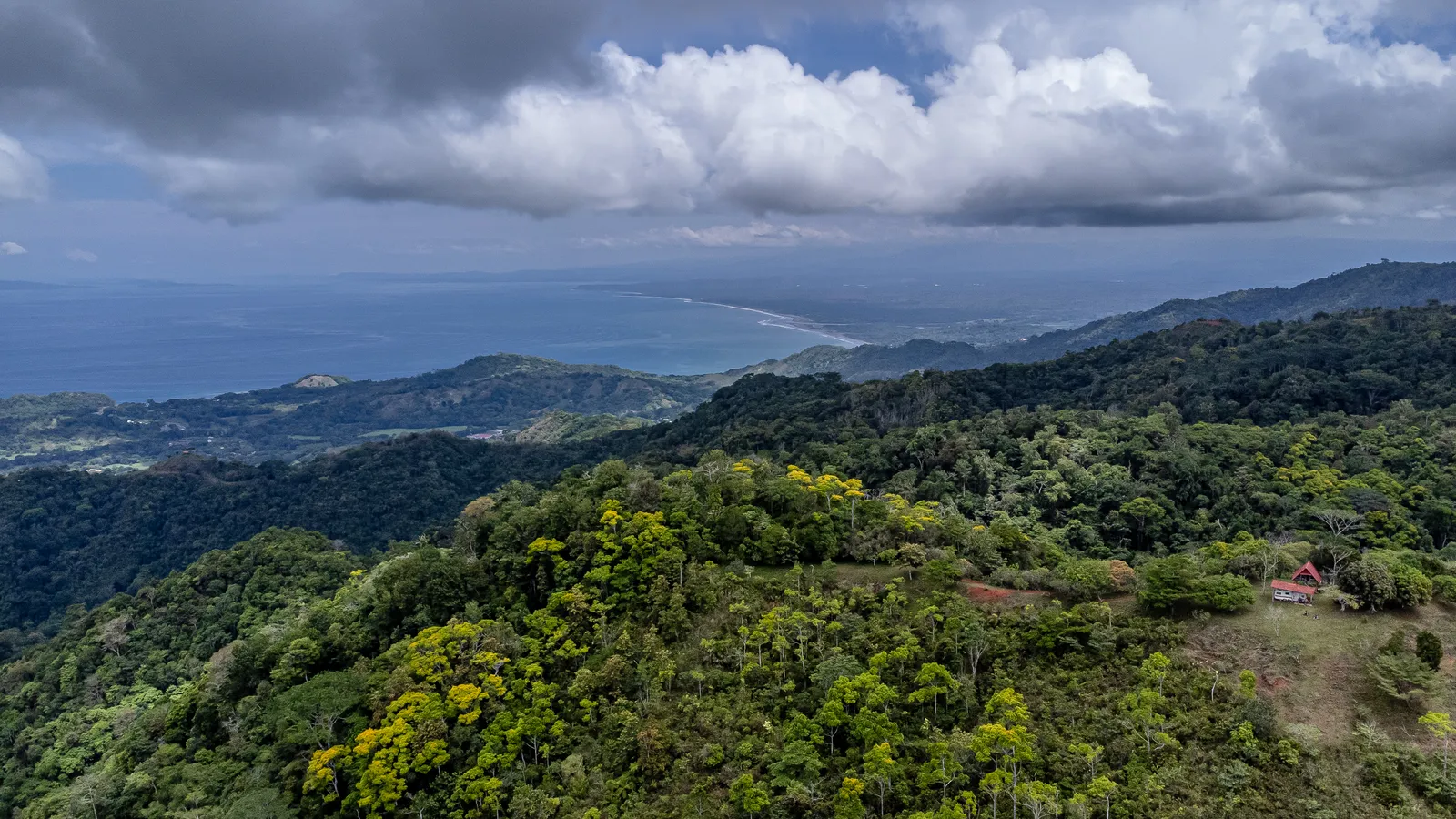
Buying land in Costa Rica is one of the most rewarding ways to put down roots: you choose the view, the design and the pace of the project. It also takes more homework than buying a finished home. A beautiful lot is only a good buy if you can legally build what you have in mind, reach it year-round, and get water and power to it.
After two decades on the Central Pacific and the Nicoya Peninsula, we’ve seen buyers find incredible land, and we’ve seen a few who skipped a step and paid for it later. This checklist covers what to confirm before you commit.
This guide is general information, not legal advice. Always work with an independent Costa Rican attorney and a licensed surveyor when buying land.
Can Foreigners Buy Land in Costa Rica?
Yes. Foreigners can own titled land in Costa Rica with the same rights as citizens. The main exception is the maritime zone: the first 200 meters from the high tide line. The first 50 meters are public and can’t be owned, and the next 150 meters are held under municipal concessions rather than title. For more on how the buying process works overall, see our guide to buying property in Costa Rica as a foreigner.
The Land Buyer’s Checklist
1. Clean title in the National Registry
Your attorney should review the property’s record in the Registro Nacional. It shows the registered owner, the size of the property, and any mortgages, liens, easements or lawsuits attached to it. The seller’s name on the title should match the person (or company) you’re dealing with.
2. The survey plan (plano catastrado)
Every titled property should have a registered survey plan. Have a licensed surveyor walk the land and confirm that the boundaries on the ground match the plan, that the area is correct, and that there are no overlaps with neighbors. This is especially important on rural and hillside land, where fences and old boundaries don’t always line up with the official plan.
3. Legal access
Make sure the land has legal access to a public road, either directly or through a registered easement. A lot reached by a neighbor’s driveway “by agreement” can become a real problem later. Also check the road itself: in the rainy season, steep or unpaved roads can be hard to drive without a 4×4.
4. Water availability
Water is one of the most important items on the list, and one buyers most often overlook. To get a building permit, you generally need a letter confirming water availability from the local water provider, which may be AyA (the national water utility) or a community water association known as an ASADA. A private well needs its own permit. Get this confirmed before you buy, not after.
5. Zoning and land use (uso de suelo)
Ask the local municipality for a land-use certificate. It tells you what can be built on the property (a home, several units, a commercial project) and any limits on height, density or how much of the lot can be covered. If you’re planning more than one home, or a small rental project, this certificate is essential.
6. Electricity and internet
Confirm how far the nearest power line is and what it would cost to connect. For many buyers, reliable internet matters just as much; ask neighbors which providers they use and what speeds they actually get.
7. Slopes, soil and drainage
Many of the best views in Costa Rica come with steep slopes. That’s fine, but it affects the cost and design of your home. A soil study and a conversation with a local engineer or architect can tell you where a home can safely sit, how much retaining work you’ll need, and how rainwater will drain during the wet season.
8. Environmental restrictions
Rivers, streams, springs and forest on or near a property come with protected setbacks where you can’t build. Some land borders protected areas. Larger projects may also need environmental approval from SETENA, the national environmental agency. Your attorney and engineer can tell you what applies to your lot.
9. Taxes and municipal status
Confirm that municipal property taxes are paid up to date, since unpaid taxes stay with the land. Once you own, the annual municipal property tax is 0.25% of the registered value.
Building Permits: What to Expect
Once you own the land, a local architect or engineer prepares the plans and submits them for permits. Before construction starts, permits usually involve the professional association of engineers and architects (CFIA) and the local municipality, plus any environmental review the project needs. Timelines vary by municipality and project, so it’s smart to talk to a local architect before you buy. They can tell you whether your dream design fits the lot and roughly how long permits may take.
Where to Look for Land on the Central Pacific and Nicoya Peninsula
- Bijagual and the hills above Herradura and Jaco: cooler air, ocean and mountain views, waterfalls and larger lots, just minutes from the coast. See Bijagual real estate.
- Playa Hermosa: lots close to the surf, with a quieter, open feel. See Playa Hermosa real estate.
- Tambor and the southern Nicoya Peninsula: space, nature and a slower pace, close to Montezuma and Santa Teresa. Read our guide to getting to Tambor and see Nicoya Peninsula real estate.
Common Mistakes When Buying Land
- Falling in love with the view before confirming water and access.
- Assuming you can build several homes without checking the zoning.
- Skipping a survey because there’s already a fence.
- Underestimating the cost of building on a steep slope.
- Paying a deposit directly to the seller instead of through a registered escrow.
Frequently Asked Questions
How long does it take to get a building permit?
It depends on the municipality, the size of the project and whether environmental review is needed. A local architect can give you a realistic estimate for a specific lot before you buy.
Can I buy land with a well instead of a water connection?
Wells require their own permit, and not every property qualifies. If a seller says the land has a well, ask your attorney to confirm that it’s properly permitted and that it supports the home you plan to build.
Find the Right Piece of Land
When the checks are done properly, buying land in Costa Rica gives you the freedom to create exactly the home you want. Browse our current land for sale, or tell us about your plans: the area, lot size, budget and what you want to build. We’ll connect you with local owners and trusted professionals, from surveyors and attorneys to architects, people we’ve known and worked with for years.
Have a Question About Costa Rica?
Buying, renting or selling—tell us what you’re looking for and we’ll connect you with the right people.
Let’s ChatMore Guides
Buying in Costa Rica
Jaco Condo HOA Fees & Rental Rules: What to Ask
Buying a condo in Jaco? Learn what HOA fees cover, how rental rules vary by building, and the questions to ask before you buy.
Read guide →
Buying in Costa Rica
Buying Property in Costa Rica as a Foreigner: A Local Guide
Can foreigners buy property in Costa Rica? Yes. Here’s how the process works, what the maritime zone means for beachfront land, and the closing costs to plan for.
Read guide →