
Buying in Costa Rica
Buying Property in Costa Rica as a Foreigner: A Local Guide
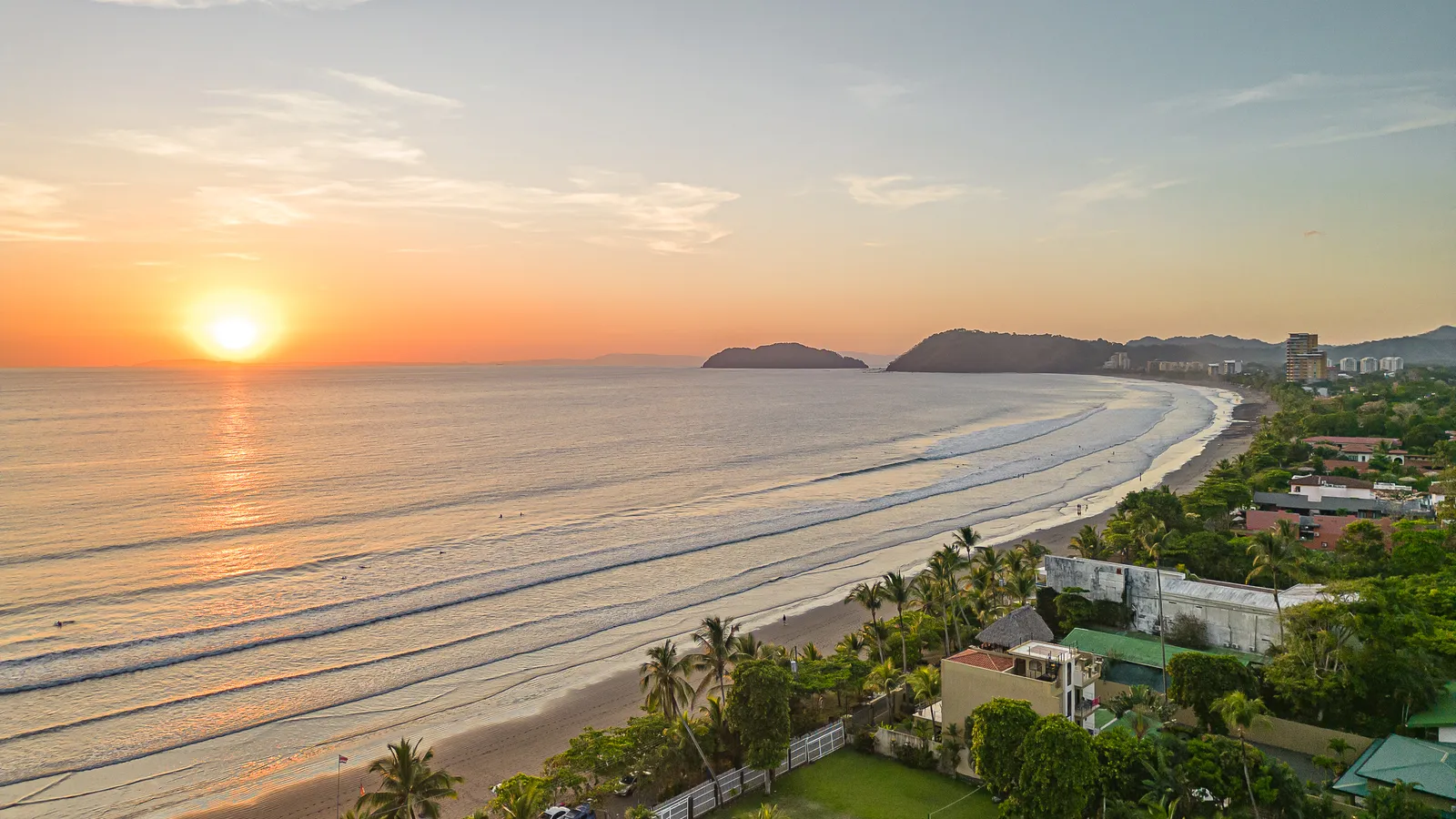
Yes, foreigners can buy property in Costa Rica, and in most cases with the same ownership rights as Costa Rican citizens. You don’t need residency, a visa or a local partner to hold titled property in your own name. That openness is one of the reasons so many people from North America and Europe end up making a home here, whether full time, part of the year, or as an investment that pays its way as a vacation rental.
That said, buying property in Costa Rica works differently than buying at home. After more than 20 years living here, first on the Nicoya Peninsula and now in Jaco, we’ve seen what goes smoothly and where buyers get surprised. This guide walks through the essentials so you know what to expect before you start looking.
This guide is general information, not legal or tax advice. Laws, tax thresholds and fees change, so always confirm the details with an independent Costa Rican attorney before you buy.
Can Foreigners Own Property in Costa Rica?
For titled property, yes. Costa Rica’s constitution gives foreigners the same property rights as citizens. When you buy, the title is recorded in the National Registry (Registro Nacional) in your name, or in the name of a company you own, with the same rights to use, rent, sell or pass on the property.
Most homes, condos and land you’ll see in Jaco, Herradura, Playa Hermosa, Bijagual or Tambor are titled property. That includes everything currently listed on our properties for sale page.
The Exception: Beachfront Land and the Maritime Zone
The main exception is land right on the beach. Under the Maritime Zone Law (Law 6043), the first 200 meters inland from the high tide line belong to the state:
- The first 50 meters are public zone. Nobody can own or build there, and beaches stay open to everyone.
- The next 150 meters are the restricted zone. Land here isn’t sold with title; the municipality grants concessions, which work like long-term leases with conditions and renewals.
Foreigners face extra restrictions on holding concessions, including residency requirements, so beachfront “concession” property is a very different purchase from titled property a few blocks back. If a listing describes a home as “on the sand,” ask early whether it’s titled or a concession, and have your attorney confirm it.
Step by Step: How Buying Property in Costa Rica Works
1. Decide where and how you want to live
Start with lifestyle before listings. Do you want to walk to restaurants and the beach, enjoy a quieter bay with a marina, or have space and views in the hills? Our guide to Jaco vs. Herradura vs. Playa Hermosa is a good place to compare the Central Pacific communities, and our Nicoya Peninsula page covers the slower pace around Tambor.
2. Hire an independent attorney
Your attorney should represent only you, not the seller or the developer. They’ll review the title, prepare the purchase agreement and guide the closing. In Costa Rica, the closing itself is handled by a notary public, who is also an attorney, so many buyers use their own attorney for both roles.
3. Make an offer and sign an option or purchase agreement
Once you agree on price, the terms are set out in a written agreement that covers the deposit, the due diligence period, what’s included (furniture is often included in beach homes and condos) and the closing date.
4. Use a registered escrow
Deposits and closing funds should go through an escrow agent registered with SUGEF, Costa Rica’s financial regulator, never directly to the seller. Escrow holds the money until the conditions in your agreement are met.
5. Complete due diligence
This is the most important part of the process. Your attorney and, where needed, a surveyor or inspector should check:
- The title and folio number in the National Registry, including liens, mortgages, easements or pending lawsuits.
- That the registered survey plan (plano catastrado) matches the actual property and its boundaries.
- Municipal taxes and fees are paid up, since unpaid property taxes stay with the property.
- Water and electricity service, and for land, the zoning and water availability (see our guide to buying land).
- For condos, the building’s bylaws, budget, fees and rental rules (see our guide to condo HOA fees and rental rules).
- A physical inspection of the home itself: roof, plumbing, electrical, pool equipment and signs of humidity.
6. Close and register the property
At closing, the notary prepares the transfer deed, funds are released from escrow, and the transfer is recorded in the National Registry. Once registered, the property is officially yours.
Closing Costs and Taxes to Budget For
Plan for closing costs of roughly 3.5% to 5% of the purchase price on a typical residential purchase. The main items are:
- Transfer tax: 1.5% of the purchase price (or the registered value, if higher).
- Registry fees and stamps: roughly 0.5% to 0.8%.
- Notary and legal fees: usually 1% to 2%, plus VAT on the fee.
- Escrow: a small percentage or a flat fee.
Once you own, the annual municipal property tax is 0.25% of the registered value, which is low by North American standards. Higher-value homes may also owe Costa Rica’s solidarity (luxury home) tax when the value of the construction passes a threshold that’s updated every year. Rental income and capital gains are also taxed, so if you plan to rent your home, talk to a local accountant about the right set-up.
A word of caution: you may hear suggestions to declare a lower price in the deed to reduce taxes. Don’t. It’s illegal, and it creates a bigger tax bill when you sell.
Should You Buy in Your Own Name or Through a Company?
Many buyers hold Costa Rica property through a local corporation (an S.A. or S.R.L.) for privacy, liability separation or estate planning. Others prefer the simplicity of their own name. Companies come with annual corporate taxes and filing requirements, and if you’re buying a company that already owns a property, you also inherit its history, so it needs its own due diligence. There’s no single right answer; it depends on your plans, and it’s a good conversation to have with your attorney early.
Can Buying Property Help With Residency?
Real estate investment can support an investor residency application in Costa Rica, but the rules and incentives have changed recently. If residency is part of your plan, speak with an immigration attorney before you buy, because the way the property is titled can matter for your application.
Common Mistakes to Avoid
- Sending money directly to a seller instead of through registered escrow.
- Using the seller’s attorney instead of your own.
- Assuming beachfront property is titled without checking.
- Skipping a survey or inspection because the property “looks fine.”
- Buying land without confirming water availability and zoning first.
- Buying a condo without reading the rental rules if you plan to rent it.
Start Your Search With a Local Connection
Buying property in Costa Rica as a foreigner is very doable, and with the right people around you, it can be a smooth and enjoyable process. Browse our homes for sale, condos in Jaco and land for sale, or tell us what you’re looking for. We’ll connect you with trusted local contacts, from property owners to attorneys and inspectors, people we’ve known and worked with for years.
Have a Question About Costa Rica?
Buying, renting or selling—tell us what you’re looking for and we’ll connect you with the right people.
Let’s ChatMore Guides
Buying in Costa Rica
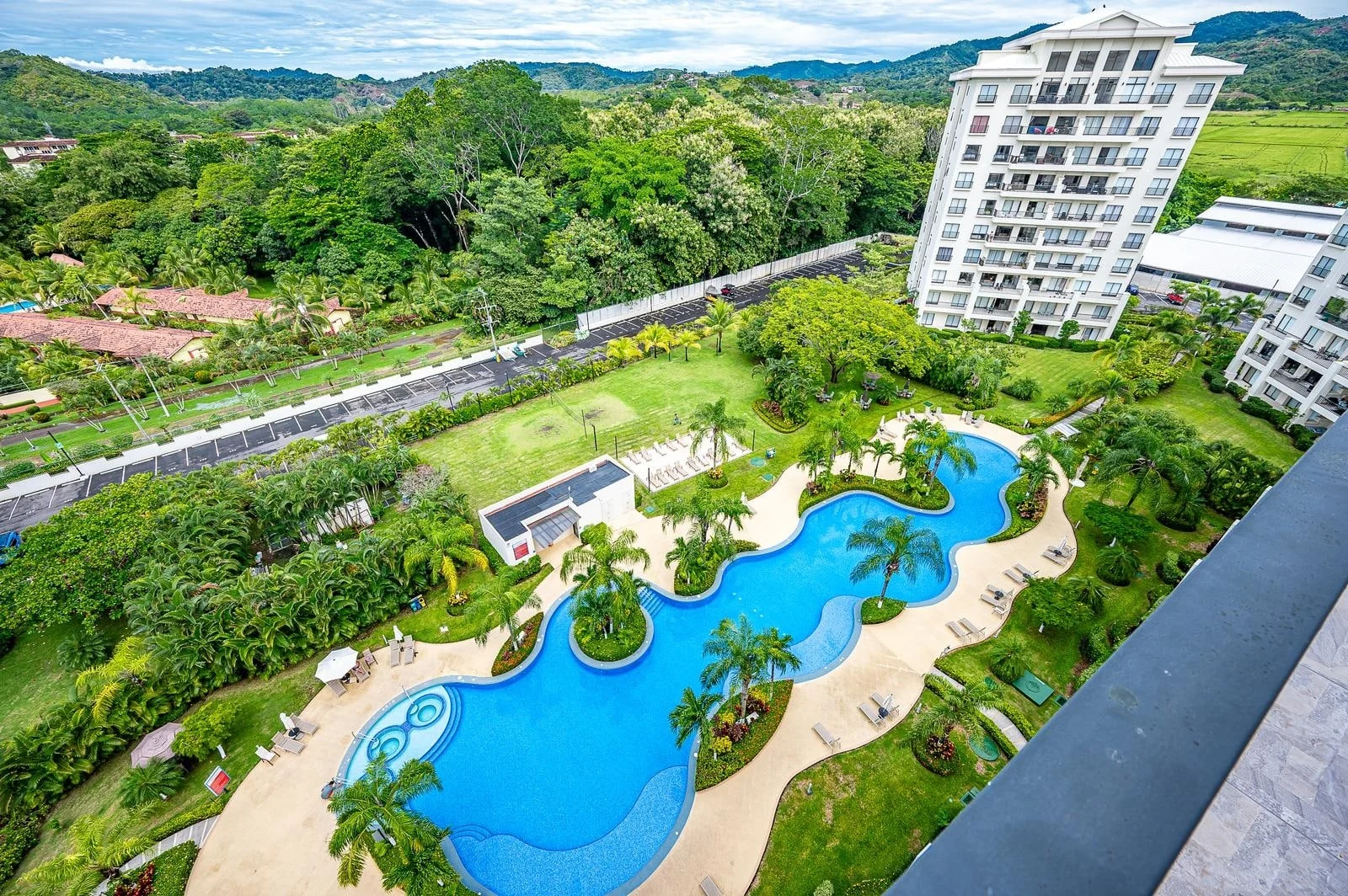
Jaco Condo HOA Fees & Rental Rules: What to Ask
Buying a condo in Jaco? Learn what HOA fees cover, how rental rules vary by building, and the questions to ask before you buy.
Read guide →
Buying in Costa Rica
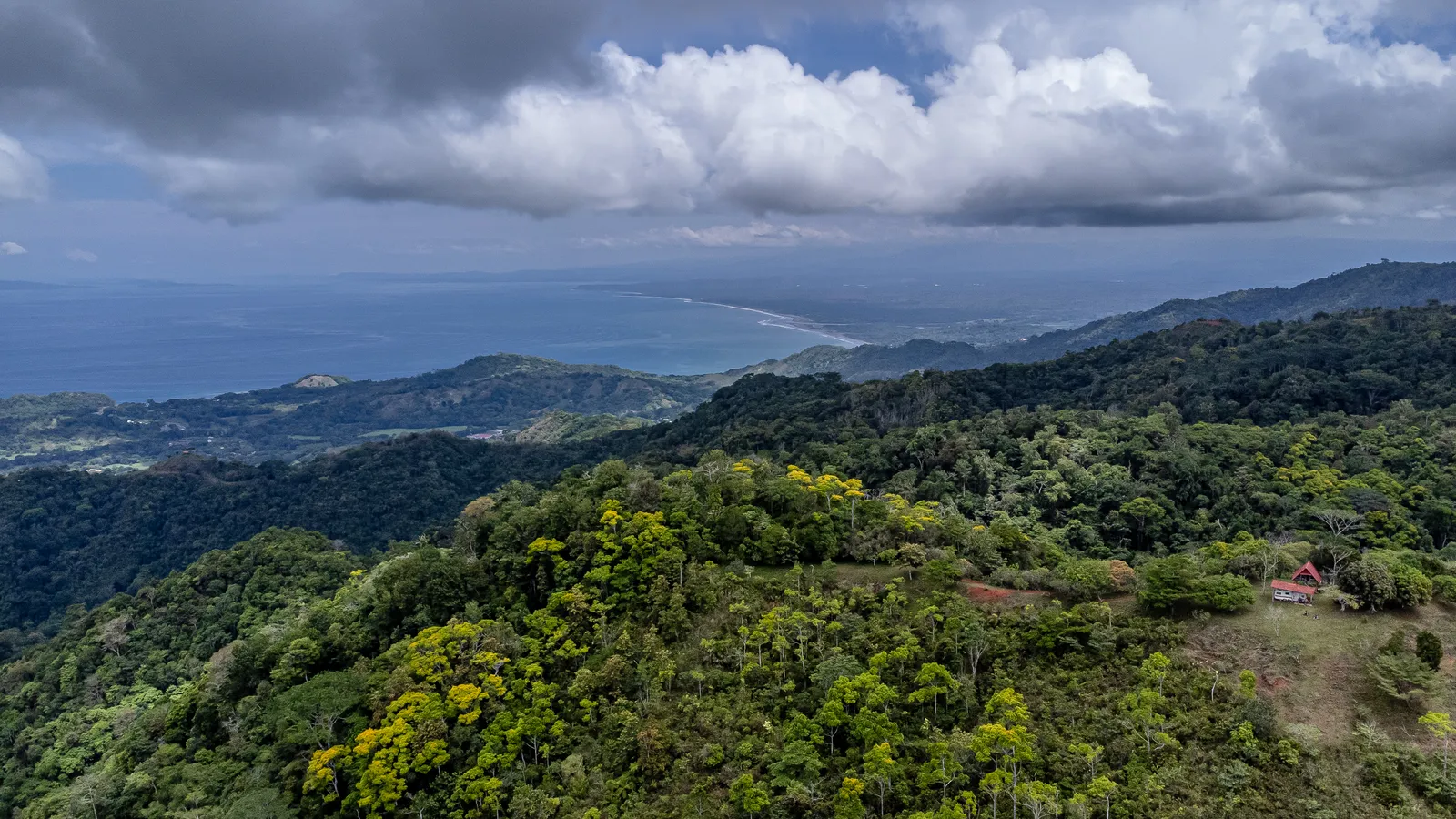
Buying Land in Costa Rica: What to Check First
Planning to build in Costa Rica? Before you buy land, confirm the title, survey, access, water, zoning and slopes. A local checklist for land buyers.
Read guide →